Can You Sell AI Art on Etsy? 2026 Policy Guide
Updated 2026 guide to Etsy AI art rules, enforcement problems, copyright law, and better alternatives for real artists.
If you are an artist who makes real work with your hands, Etsy in 2026 is a complicated place. The platform still allows AI-generated art, and despite updated disclosure rules, the marketplace is flooded with machine-made images that compete directly with handmade work. This guide covers what has changed, what has not, and what real artists should actually do about it.
This is an updated version of our 2025 Etsy AI Art Policy Guide, which covers the original policy rollout.
What Changed in 2025 and 2026
The biggest policy shift came in June 2025, when Etsy updated its Creativity Standards to require that products listed as "Made by the seller" must be fully created from scratch by that seller. This crackdown explicitly banned using licensed or purchased 3D models, Canva templates, and minimally modified designs. Print-on-demand sellers and AI-prompt-based shops were hit hard. The change was applied retroactively with no grace period, leaving thousands of previously compliant sellers scrambling.
The disclosure rules also tightened. AI-generated listings must now select "Designed by" instead of "I made it" in the Item Details dropdown. Sellers must include an explicit AI disclosure statement in the listing description. AI prompt bundles are banned entirely.
In March 2026, the U.S. Supreme Court declined to hear Thaler v. Perlmutter, leaving intact the ruling that AI-generated works without meaningful human authorship cannot receive copyright protection. This means purely AI-generated art sold on Etsy has no copyright protection for the seller. Anyone can copy it.
The Enforcement Problem
Etsy now uses a multi-layered automated detection system that examines file metadata for AI tool signatures, runs visual recognition for common AI art characteristics, cross-references listings against databases of known AI-generated images, and analyzes seller behavioral patterns like upload frequency and listing similarity.
The problem is that this system is notoriously inaccurate. According to reports, the detection flags approximately 38% of borderline cases incorrectly. Traditional artists using digital tools get flagged as AI. Photographers have had original work removed. One documented case involved an artist with 25,000+ sales and a 5-star rating who received repeated violation notices for entirely hand-painted work. After weeks of appeals, Etsy confirmed the flags were errors but permanently revoked the seller’s Star Seller badge, stating they could not reinstate it.
In early 2025, over 17,000 Etsy listings were removed for AI disclosure violations. That number does not include the thousands more quietly suppressed from search or flagged for manual review. The appeal process is widely reported to be handled by the same automated systems that created the false positives in the first place.
Etsy’s Real Problem Is Not AI Policy
The deeper issue is that Etsy has become a fundamentally different platform from the one artists originally joined. The take rate has climbed to 23.3%, up from 17.8% in 2022, a 31% increase in three years. Seller counts dropped by roughly 670,000 in a single year. Revenue growth has flatlined at 1-2%, and the stock sits 82% below its all-time high.
For artists making real work, the math has gotten worse at every step. Higher fees eat into already thin margins. AI-generated listings flood search results, making it harder for handmade work to surface. And the automated enforcement system is just as likely to punish you for being a real artist as it is to catch someone passing off AI output as handmade.
Etsy’s official position is that they support human creativity. But the platform’s financial incentives run the other direction. AI sellers who upload dozens of listings per day generate more listing fees and transaction fees than a single artist selling original paintings. The platform profits from the volume regardless of whether the art is real.
If You Sell AI Art on Etsy: The Current Rules
Etsy permits AI-generated art under specific conditions:
**Disclosure: **Select "Designed by" in the Item Details dropdown. Include a clear statement in your listing description that the work was created with AI tools.
**Original prompts: **You must create your own prompts. Using purchased or templated prompts violates the policy.
**No prompt bundles: **Selling AI prompts as standalone products is prohibited.
**Volume limits: **Etsy’s algorithm now penalizes rapid uploads of similar items. Shops uploading fewer than 5 high-quality items per week reportedly rank higher than bulk uploaders.
**Content restrictions: **AI-generated nudity and sexual content must follow Etsy’s Prohibited Items Policy.
Be aware that even full compliance does not protect you from false positive enforcement actions. Removing AI metadata from files before upload is one commonly recommended precaution, since AI tools embed signatures that trigger detection.
The Copyright Reality
The March 2026 Supreme Court decision in Thaler v. Perlmutter confirmed what the Copyright Office has maintained: AI-generated works lack the human authorship required for copyright protection. Prompts alone are considered unprotectable ideas, not creative expression.
This means if you sell purely AI-generated prints on Etsy, anyone can legally reproduce and resell those exact images. You have no legal recourse. The Copyright Office has indicated it will evaluate works on a case-by-case basis when there is meaningful human creative input, such as editing, composing, or integrating AI-generated elements into a larger work. But the bar for "meaningful" remains undefined.
For real artists, this is actually an advantage. Your handmade work is copyrightable. AI-generated copies of your style are not protectable by whoever generated them. The law is on the side of human creators.
What Real Artists Should Do
If you make art by hand, with real materials and real skill, the honest advice is this: do not build your business on Etsy alone. The platform has demonstrated that it will prioritize fee revenue over protecting its original community of makers. Here is what you should consider instead.
**Diversify where you sell. **Amazon Handmade restricts listings to verified artisans and charges a flat 15% referral fee. Goimagine maintains a strictly handmade marketplace and donates profits to charity. The Artisans Cooperative is seller-owned with a one-time $100 buy-in and 3% transaction fee. Big Cartel offers free listings for up to five products. Shopify gives you full control over your store. All of these are better options if you are serious about selling real art.
**Lean into what AI cannot do. **Show your process. Post studio photos, in-progress shots, material close-ups. Buyers who value real art want to see the human behind the work. AI sellers cannot fake sawdust on a workbench or paint under fingernails.
**Document everything. **If you do sell on Etsy, keep records of your creative process. Progress photos, material receipts, and time-lapse videos can help you win appeals when the automated system inevitably flags your handmade work as AI.
**Build a direct audience. **An email list, a personal website, or an active social presence gives you a sales channel that no platform can take away. Etsy’s algorithm changes and enforcement errors cannot touch customers who already know and trust your work.
**Price for the value of handmade. **Do not try to compete on price with AI-generated prints. You will lose that race. Instead, price your work to reflect the time, skill, and materials that went into it. The buyers worth having understand the difference.
The Bottom Line
Etsy in 2026 is a platform that says it values human creativity while building systems that reward volume over craft. Its AI detection punishes real artists as often as it catches fakes. Its fee structure squeezes makers while profiting from the flood of machine-generated content.
If you are an artist who creates real work, you do not need to compete with AI. You need to find the places, both online and off, where real art is valued. Etsy may have been that place once. In 2026, you have better options.
Looking for opportunities to show your work? Browse open calls and exhibitions on XHBT®.
Related open calls
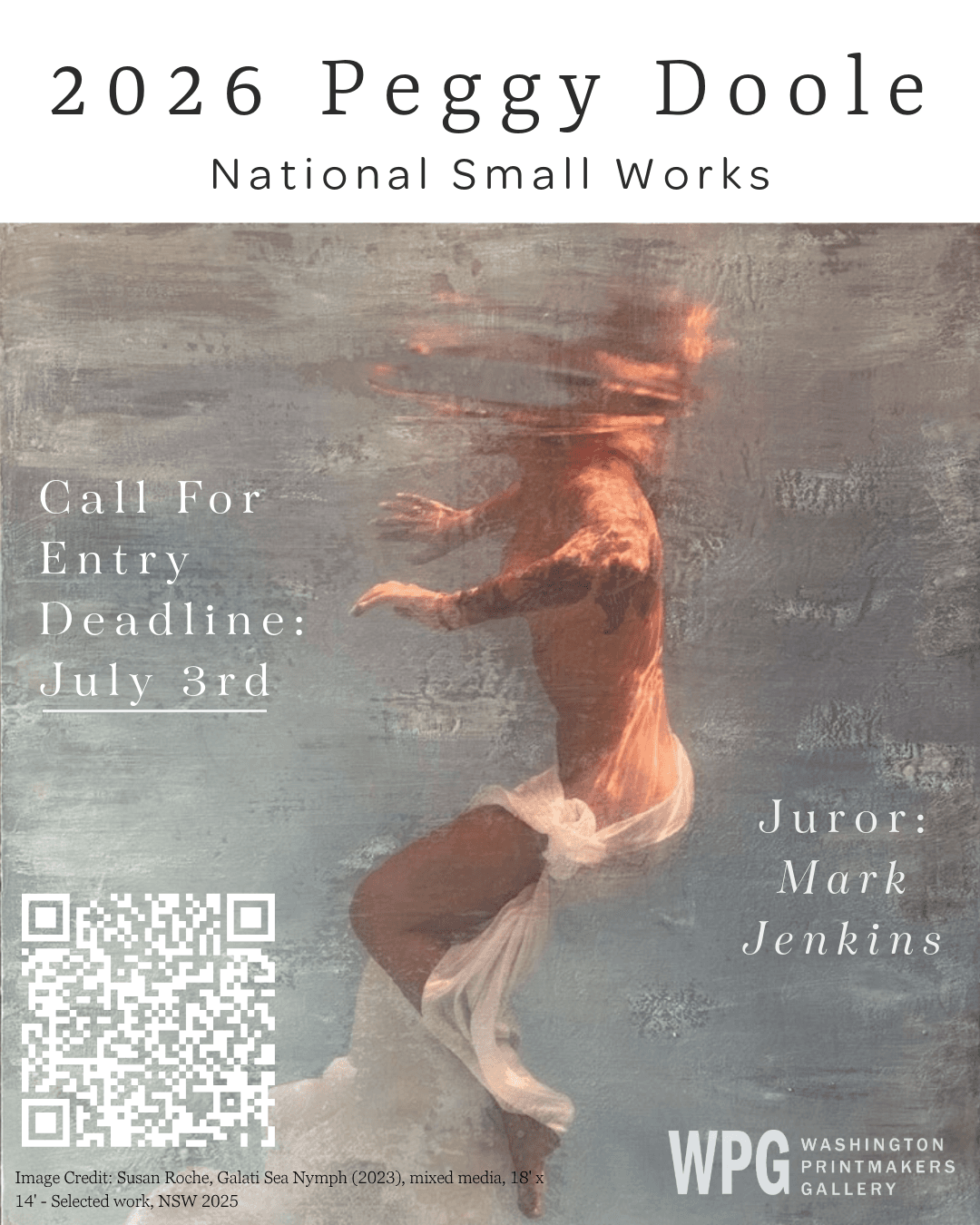
28th Annual Peggy Doole National Small Works Exhibition
A national juried exhibition of contemporary printmaking at Washington Printmakers Gallery in Washington, DC, open to US artists 18 and over. Juror Mark Jenkins selects the show; entries close July 3 and prizes total $1,750.
The Washington Print Foundation presents the 28th annual Peggy Doole National Small Works Exhibition, a national juried show of contemporary printmaking held at the long-established Washington Printma...
XIII Valparaiso International Arts Biennial Open Call
Valparaiso's 13th International Arts Biennial invites artists across Chile to submit work; up to 100 pieces will be exhibited. Deadline August 23.
The Municipality of Valparaiso has officially opened the public call to take part in the XIII Valparaiso International Arts Biennial (BIAV), one of Chile's most emblematic visual arts gatherings and o...
Iniciarte 2026 Grants for Young Andalusian Artists
Andalusia's Iniciarte programme funds up to five exhibition projects by young artists aged 18 to 35 resident in the region, with production grants. Deadline ...
The Regional Ministry of Culture and Sport of Andalusia has published a call for young artists and collectives to present visual art exhibition projects under the Iniciarte programme for 2026.